Post vacation feelings

After a most fabulous week of vacation with friends and then a less-than-ideal week after getting back, I have some feelings and thoughts.

Be the friend who spontaneously picks up a bubble wand for your visiting friend just because you know how much she loves bubbles.

Be the husband who buys his wife the giant pinwheel because she got so excited when she saw it in the store.

Do the touristy things. Do the non-touristy things. Eat local food, especially if it is home cooked! Seek out and go to small local places while on vacation! Try the mussels and the lobster rolls even if you think you don’t care for them. Forget your camera sometimes and know you will remember those crabs in your mind forever even without the photos.

Play cornhole (or Baggo, whatever) at dusk in the campground, mosquitos be damned. The itch will fade your memories will stay. Maybe drop a few less F bombs for the kids in the next space over though.

Tell people you love them. Cherish your moments with everyone, do not take time for granted. Share recipes, jokes and pictures. Love.

Reach out to those who might need you. Be willing to ask if you need someone. Be vulnerable. Be honest with yourself first, that is actually even more important than being honest with others.

Keep the inside jokes rolling. There is nothing better than your own language with those you love and have fun with.

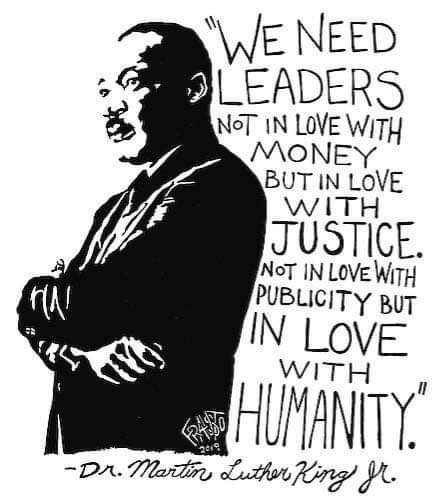
Stand up for justice and what is right in the world, but do not let the fight consume you. Know there must be joy and grace and fun as well, otherwise what is the point? Stay informed, but also stay entertained.

Read for fun. Share books. Garden if you like it. Or sew, or paint, or cook…do what brings you joy, especially if you can also get joy from sharing it with others!

And most important of all. Do not bring shells home from vacation, just leave them on the beach. They will stink a week later and you will just have to throw them out anyway (trust me, I tried to clean them).

Elephants, poop paper and procrastination

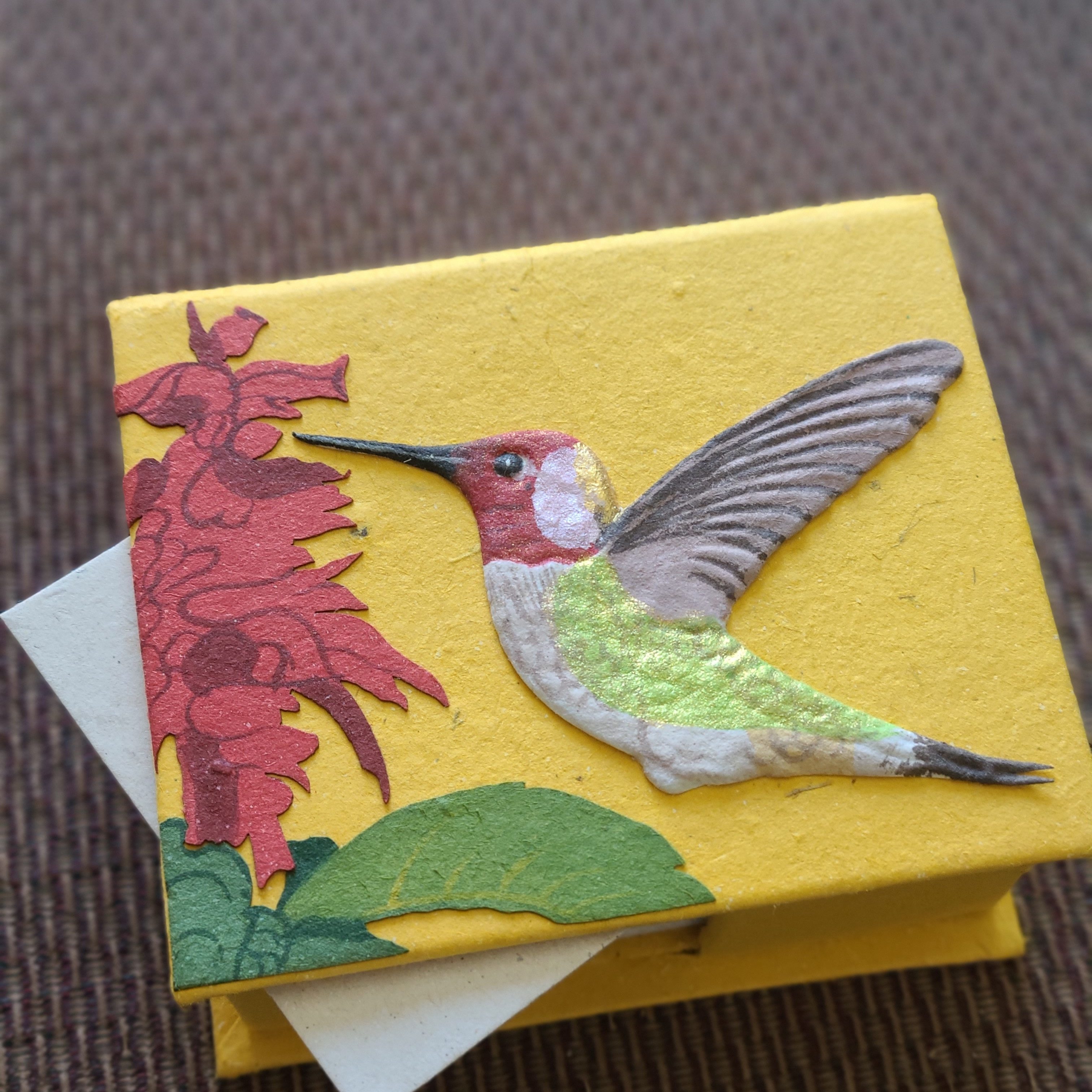
In 2023 I saw this lovely box of note papers in a fair-trade shop in Boulder, CO. It caught my eye as I was looking for a gift for a friend and we share an affinity for hummingbirds.     


Then I discovered the product was made using the dung of elephants in Sri Lanka! What a cool concept!

I adore elephants almost as much as hummingbirds (but not as much as I love Red Pandas, neither of which I can have in my backyard). Also, I happen to love Sri Lanka, as I was lucky enough to visit the island in December of 2018. So of course I bought the note paper for my friend, and one for myself.

While in Sri Lanka we experienced two very different elephant encounters.

The first was going to an elephant ‘rescue’ and we were very excited we would get to ride elephants.  It was not quite the experience I had anticipated. It WAS awe inspiring and humbling to be able to get so close to, touch and even ride these beautiful, amazing creatures. Yet, it was also a bit sad because it didn’t seem like the elephants were very happy or treated well. They didn’t seem treated poorly, I didn’t get a sense of abuse or neglect, just a lack of reverence or kindness. Also, riding elephants is a little scary, and not super comfortable to be honest, so lacking any sense the animal enjoyed the interaction it was rather disheartening overall. We agreed we had no interest in doing that ever again.

A few days later we had a jeep ride through an elephant sanctuary. It was a large area of land allowing lots of space for many free elephants to roam and exist in a more natural way, other than jeeps driving through all the time carrying tourists. What a difference! Of course we couldn’t get close to them, our drivers always maintaining a certain distance, but this felt like a much deeper connection of engaging with the gentle giants. It is truly one of my favorite life experiences to date. My awe, joy and respect for elephants can barely be overstated. Seeing them in the environment where they belong, in the social groups they form, going about their own business was seriously breathtaking. One of our guides aptly reminded us that we humans were the visitors in the elephant’s home. 6 years later, I still get goose bumps thinking about their beauty and strength.

Today, while browsing the internet (and probably should have been doing something more productive) I happened across this story from Business Insider about paper being made from elephant poop in Thailand. Provided with the back story I just gave you, I am sure you know it was a must for me to watch! What a fascinating process, and delightful people making this awesome product! 

Well, I it sure took me down a rabbit hole of memories. But it inspired me to write this post and share with you 2 of these companies making elephant poop paper, supporting sustainable practices, employing local workers and making elephants potentially valued in a whole new way! And a lovely fair trade company with loads of great products! I hope there are more out there to be discovered! So, I guess I will consider this a productive procrastination for today.  

Tell me about any fascinating products like this you may know about!

It’s Leap Day, what does that mean?

Happy Leap Day!


Here’s a quick summary from The History Channel why we get this extra day every 4 years:
“While the modern calendar contains 365 days, the actual time it takes for Earth to orbit its star is slightly longer—roughly 365.2421 days. The difference might seem negligible, but over decades and centuries that missing quarter of a day per year can add up. To ensure consistency with the true astronomical year, it is necessary to periodically add in an extra day to make up the lost time and get the calendar back in synch with the heavens.”

Did you know there are other traditions associated with this day?

Women proposing to men on Leap Day was ‘allowed’ by St Patrick in 5th Century Ireland. This spread to Scotland and England and so on. It is known as Bachelor Day by many. Women can propose whenever they choose now in modern cultures, but it has become a fun twist to do it on Leap Day. Especially since it is still the more accepted norm for the men to do the asking.

Greek culture long believed Leap Day to be bad day for wedding vows. Whether due to this superstition or simply not wanting to miss anniversaries, it’s still not a popular day to get married in Greece.

The odds of being born on Leap Day are about 1-in-1,461, and those who get that distinction are known as Leaplings. There are special celebrations organized by the roughly 5 million people who share this birthday phenomenon around the world.


There has even been a special drink curated for this once every four years occasion.
According to The Savoy Cocktail Book: “This Cocktail was created by Harry Craddock, for the Leap Year celebrations at the Savoy Hotel, London, on February 29th, 1928. It is said to have been responsible for more proposals than any other cocktail that has ever been mixed.”

Enjoy your bonus day! Wish a Leapling a happy birthday, have a special cocktail (or mocktail), make a proposal or create your own tradition that flips the script on a social norm.

It’s only once every 4 years, have some fun with it!

Let’s do ‘Black Friday’ a little differently?

Let’s face it, gift giving is fun. Every year leading up to the gifting season I promise I won’t give in to materialism, but once I see wrapping paper it’s all over for me.

I LOVE wrapping gifts, giving gifts, watching them be opened. It’s basically my favorite part.

I am that person who buys more small items versus one big present just so I can wrap more things to put under the tree or ship or hand out.

So here are some of my solutions to give some balance to my love of sharing presents and my strong desire to lessen my impact on the environment:

  • Shop small and local as much as possible
  • Buy recycled and re purposed whenever possible. Etsy is great!
  • Buy things the recipient will actually use!
  • When shopping online consolidate shipping as much as possible (for example, Amazon lets you choose one day a week for delivery)
  • Support small businesses by getting gift certificates too. Helps get others to discover my favorite small businesses. Then get creative with fun ways to decorate for presentation!
  • Buy hand made over mass produced. And choose items NOT made from plastic when there is an option. Amazon even has a hand made area to shop.
  • Try to make something myself if I have the time and inspiration
  • Think outside the box and look for unique items that support good causes.

Today I’m highlighting my local Habitat for Humanity Re-Store of the Greater Los Angeles area. They are having a Black Friday all November and inspired this post! Repurposed items and supporting a great cause! Consider supporting your local Re-Store this holiday season! (and all the time really).

And if you have one of those people on your list who are truly impossible to buy for because they have everything, I have one last suggestion. Make a donation to a cause in their name. Make it personal of something meaningful to them. And get creative with how you present it if you are like me and love the whole wrapping and unwrapping process!!

Is Silicone the new plastic?

Over the past several years there we have seen a lot of positive movement away from single use plastics, as well as the use of alternate materials instead of plastic.

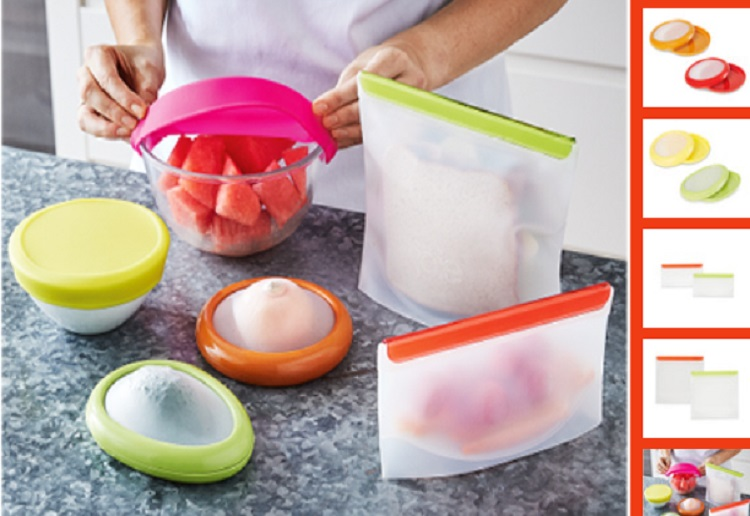
For example, those disposable plastic zipper bags that are so prevalent in our kitchens. We now have zipper baggies made from silicone we can use to stash our sandwiches and snacks, and these can be washed and use over and over again. Great! Right?

Well, of course it is great they are reusable rather than being added to our landfill after a few hours of containing something. Obviously, any time an item has a longer life span instead of being used once and tossed is a step in the right direction. Seeing silicone so often replacing plastic products I began to wonder how positive is this switch, really? Are we embracing silicone so quickly that it’s eventually going to become the new plastic in terms of waste and disposal issues? This is a subject I want to dig into deeper, and plan to write about this often.

I am passionate about learning more and sharing recycling myths, tips, do’s and don’ts and innovations. We have been given the ‘Reduce, Re-Use, Recycle’ mantra for a long time, and we seem to be in a growth phase of understanding better the reality of what each of those words can mean in our lives.

Back to silicone vs plastic: Here is the admittedly VERY oversimplified break down of what I have learned in quick search.

  • Silicone is durable and often used to make alternatives to single use plastic products.
  • While it is technically a recyclable material, it degrades when processed so it is actually considered down cycling.
  • There are very few facilities reprocess silicone at this time.
  • Silicone’s ability to withstand high heat makes it a great material to use in lots of products, yet not so easy to recycle.
  • Silicone in landfills doesn’t seem to be as toxic as plastic, but it actually takes even longer to break down than plastic does.

I am curious to learn more about this and will share my education with you as I go. For me, I plan to keep thinking about the items I use and what the full life span of the materials are. The process from the raw materials to the end of life, as well as how many lives that material can realistically have, are important to me to consider.

What are your thoughts on silicone and how prevalent it is becoming? I would love to hear from you.

America Recycles Day November 15

Since 1997, November 15 has been recognized as America Recycles Day, which is the only nationally recognized day to celebrate recycling and buying recycled content products and packaging.

THE NATIONAL RECYCLING RATE HAS INCREASED OVER THE PAST 30 YEARS.

BUT THE CURRENT RECYCLING RATE IS ONLY 34%.

WE CAN DO BETTER!

Here are a few resources to look into. As we enter the holiday season try to support recycling by purchasing products made from recycled materials. It makes a big impact. And remember that donating used goods that can still be used by others (clothing, household items, furniture, etc.) is a form of recycling that also directly helps people in need, so you kind of get double karma points on that!

Reduce your use of things that need to be recycled, especially items with excellent alternatives such as plastics like water bottles, plastic cups and other ‘take out’ related items. Carry your own water bottle. Decline plastic forks if getting take out to bring home, or bring your own cutlery.

https://www.epa.gov/recyclingstrategy/america-recycles-day

Yep, you can recycle corks!

America Recycles Day

Let me know what sort of efforts you make already to recycle?

I pledge to make better use of local refill stores and reduce my plastics consumption on shampoo, conditioner and cleaning supplies. I will also make sure I go out of my way to purchase recycled products whenever possible. Will you pick something to commit to improving over the next year? Let me know what it is and inspire others!

Have a Green Easter

This fanciful green-meadow vignette seems a fitting home for a chocolate  bunny. His eyes (dabs of tinted r… | Easter inspiration, Modern easter,  Easter centerpieces

Easter and Earth Day are always connected in my mind, both represent Spring and renewal to me. So I wanted to write about eco friendly ideas for Easter to honor Earth Day . You probably know by know I’m always looking for ways to reduce plastic in our lives. Easter is a good place to tackle a lot of unnecessary plastic. Baskets, filler, eggs, toys-so much plastic!!

But I am here to tell you there are alternatives!

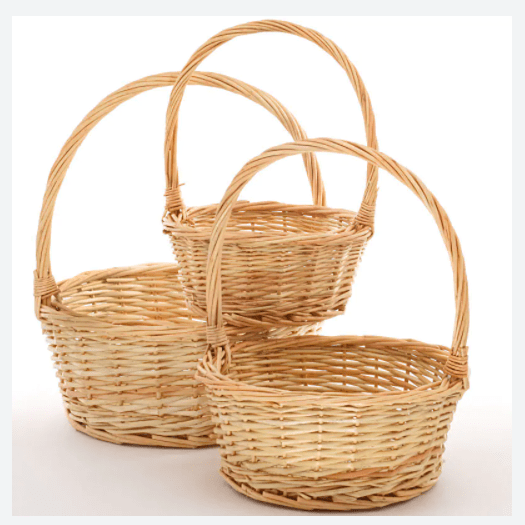
Baskets. Stick with the traditional woven baskets made of natural materials such as bamboo, seagrass, willow or even paper. Look for tutorials to make your own or dress up plain baskets. Challenge yourself to re purpose as much as possible. Use a canvas bag, jute bag or line a previously used plastic container to upcycle before sending it to the bin. The goal is always to shift our habits and mind set away from single use items.

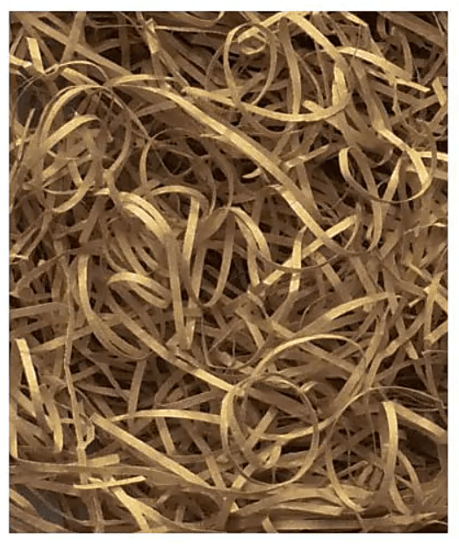
filler . Plastic grass should be a thing of the past, there is no reason to buy or use that stuff ever again. There are many paper options, in a variety of colors and neutral tones, look for recycled materials whenever possible! Or use your own shredded paper if you have some. If you really want to take it to the next level try using real grass, lettuce, straw or flowers. Just make sure it’s safely age appropriate or ok to come in contact with edibles.

Eggs, etc. This is where we really get to start having all the fun! The colors, textures and whimsy brings it all to life at this point, and there earth friendly options like never before! There are solid wooden eggs, hollow wooden eggs, and flat egg shaped wood craft projects! If you must have plastic refillable eggs, at least try ones that are made from recycled plastic, if you or someone you know does not already have some leftover from previous years. Remember it doesn’t help to toss out plastic you already have to replace it with something more environmentally friendly if it’s still in good shape. Replace only it when necessary with a better option!

Love real eggs and and the traditions of decorating, hunting and eating them? We can make that kinder to our planet also! Start with purchasing only cardboard egg cartons, and skip dye the kits with those plastic cups. Use small bowls. Hit a local thrift store, you’re sure to find some fun choices you won’t mind the little ones playing with. There are kits with earth friendly dyes and lots of tutorials on the internet on how to dye eggs using food like beets and teas. Experiment, try your own ideas with anything that is safe to eat and see how creative you can get.

Activities. Fill baskets with long lasting treats like books, crafts and toys that are environmentally gentle. Think wood, metal, fabric and anything upcycled or recycled. Etsy has lots of handmade items that can be cherished for a long time. Start an annual tradition of planting flowers or trees or starting a garden.

Sweets. Personally, I always need a big jar of Jelly Belly’s around and some Peeps (which are decoration not food in my opinion!) but making and decorating cookies can be a really fun a tradition for Easter!

Keeping it green doesn’t mean you do it perfectly, it means you make as many earth friendly choices as possible.

Popular Easter Flowers

3 myths about recycling — and what we’re all doing wrong

from ‘Today’ by Elyse Pham

It’s been a while since I posted anything, this was a good reminder for me, so I am sharing.

The recycling industry has a counter intuitive catchphrase, according to David Biderman, executive director of the Solid Waste Association of North America: “When in doubt, throw it out.”

“There are a lot of people who are what we refer to as wishful or aspirational recyclers,” Biderman told TMRW. “They say, ‘Well, this must be recyclable. This is a GLAD plastic container.’’”

In reality, this mentality makes it less likely that successful recycling takes place — all the more unfortunate when you realize how little recycling is even attempted at all. According to the Environmental Protection Agency, only 30% of plastic water bottles are recycled.

To help us become more intentional in our eco-friendly habits, TMRW spoke with experts Biderman and David Keelig, president of the National Recycling Coalition, about the biggest recycling myths and misconceptions.

Myth: You should throw anything that you think might be recyclable into the recycling bin.

Is it OK to recycle that plastic container with a half-eaten salad in it? Or that old garden hose, or those batteries? You might think that it’s better than sending them straight to the landfill. But items that are nonrecyclable — or even just dirty — don’t magically transform when they get to the recycling facility.

In fact, the biggest problem for those facilities is contamination, or nonrecyclable materials entering the system, said Biderman. The leftover salad, for example, not only contaminates its own plastic container, but also the other recyclables in the bin.

“There is about a 20% contamination rate in the United States,” he explained. “So 20% of the processing capacity that is being used at a typical recycling facility is being used to process stuff that has to go to a landfill.”

A good rule of thumb is checking that everything you recycle is “clean, loose and dry,” Biderman said.

“You know what, this water bottle is recyclable, but I can’t throw it in a recycling bin,” he said. “If it’s filled with water, I need to empty it out.”

This calculus will save recycling facilities time, energy and $50 to $100 per ton — ensuring that their resources go toward real recycling efforts.

Myth: All plastic is recyclable.

When China passed the “National Sword” policy in 2018, banning the import of recycled consumer plastics along with other types of waste, it sent shockwaves through the recycling industry. The United States used to export most of its recycled plastic to China; suddenly, the industry was scrambling to handle hundreds of thousands of tons domestically. In the first couple of months, lots of recycled plastic went to the landfills.

Luckily, the market has since adapted, and new domestic facilities have popped up that are willing to accept and process plastic.

That is — certain kinds of plastic.

Plastics are classified into numerical categories, or resin-identification codes, based on the materials of which they’re made. You can usually figure out which category an item falls into by looking for the classic ‘chasing arrows’ recycling symbol somewhere on its surface. The symbol will have a number in the middle.

According to Keelig, the 1s and 2s are always recyclable. These include everyday items, like soda, Gatorade and water bottles, as well as jugs of laundry detergent, dish soap and milk.

“That’s about 80% to 90% of the marketplace for plastics,” said Keelig. “So if we just recycled those items, you could do a lot of great things and accomplish a lot in terms of recycling.”

However, “National Sword” posed a bigger problem for plastics in the 3 to 7 categories, which experience a much lower domestic demand.

Keeling and Biderman name yogurt containers, plastic grocery bags, plastic wrap, PVC pipe and toys as items that are commonly thought of as recyclable in curbside programs — and that were recyclable, up until 2018. Now they just clog up the system, and if you try to recycle them, they’ll likely end up in the landfill anyway. Instead, you should find ways to reuse them at home, or find alternative recycling platforms.

For example, many retail stores collect and recycle grocery bags and other plastic films. There’s also TerraCycle, which specifically processes hard-to-recycle materials.

The exact rules on which plastic numbers you can recycle also vary based on where you are in the United States. “It’s very community specific,” said Biderman. “You have to look it up on the Internet, or get communication from your garbage company or the local government.”

Myth: Recycling begins and ends at the recycling bin.

According to Biderman and Keelig, knowing how to recycle correctly is only the first step in becoming more waste conscious. We should also adjust our consumption patterns — like what we’re consuming and how much — before recycling even enters the picture.

“Number one, people should consume less,” said Biderman. “The reason we have problems in the waste and recycling system is because we generate so much waste. People need to be more mindful of what they’re generating and generate less.”

This means investing in reusable bags, containers, water bottles, drinking straws and kitchen towels, to name a few.

Keeling also emphasized the importance of purchasing recycled goods, thereby boosting the recycling industry as a whole. Many paper, aluminum and plastic products are made out of recycled content.

“Just know, you’re not recycling until you buy recycled,” said Keelig. “We all vote with our pocketbook. So think about what you’re buying in terms of recyclability.”

Is it all too much?

Becoming plastic free or zero waste sounds like a great goal, but is it realistic?

I’m not discouraging the idea, but want to propose we are careful about how we think about it. Setting such a lofty goal can back fire when it becomes overwhelming.

Goals need to be kept attainable or we falter in continuing to pursue them. It’s human nature. No one wakes up one day and decides they are climbing Mt. Everest the next day, they know if that is the goal it will take time and increased incremental effort to get there.

We have a Mt. Everest of bad habits to overcome about how we treat this wonderful planet of ours. And while it is quite urgent that we do so, it is also extremely overwhelming to consider dealing with. Try not to let the urgency derail your efforts by making you feel you are not doing enough.

Some is better than none, and it is a good place to start. We didn’t get here in a blink of an eye and we won’t get out of it in a blink either.

Start with the easier things and keep building on it. Consistency and increased effort are going to be the key because we need to change our whole mind set. Don’t feel discouraged and think that your small efforts are not making a difference, because enough of us doing even the tiny things can help. And we keep it up, go from tiny things to small things, keep working on it.

You also have to do things that work for your life and income to find where and how you make the most impact.

A stay at home parent with several kids might struggle giving up certain convenient single use products which really make their hectic life easier and fit into the household budget. So, their changes might show up stronger elsewhere like packaging reduction on often used items such as laundry and cleaning products, less brand-new clothing since kids grow so fast anyway and toys made from non-plastic sources.

A business executive who travels a lot might not be able to reduce air travel in their life without risking how they make a living, but can put more effort into decreasing their impact in other ways, such as not using plastic when traveling. Bring your own cutlery, straws and refillable bottles, decline refreshments on the plane that use plastic. This person could drive a hybrid or electric car to reduce their carbon footprint when at home and purchase more eco friendly products

A construction worker can’t drive an electric compact car, or take public transportation because they need to take tools and materials to jobsites. So that person may put extra effort into buying produce at the local farmers market and bring their cotton bags, carry lunch in reusable containers instead of grabbing take out as much as possible and other efforts in their home whenever possible.

When you feel like your one small effort is NOT enough, consider this:

Maybe the person in line behind you noticed your refusal of a plastic grocery bag because you brought your own and saw how simple that was. Maybe that person decides the 3 things they are purchasing can be carried out without a bag and they remember to bring a bag the next time. Maybe the next time you pull out your reusable straw or bring your own cutlery instead of using plastic you inspire someone else to make that change. Or you tell someone who never heard of it that there are such things as toothbrushes made from bamboo and dental floss that comes in non-plastic refillable containers.

And while we are making changes ourselves, we need to keep putting pressure on companies and people in power to make BIG changes happen.  That is where the real results will come from, but all of our small efforts matter too. Keep it up, no matter what.